TRAINING RESOURCES
Training Library
Articles, answers and video tutorials. Knowledge to return to, whenever you need it.
Starting your coaching journey?
Download your PAR-Q and onboarding forms, then return them directly to your coach.
Athlete Assets
Practical checklists, your race plan and guides to the technology behind your training.
Race Tools
Build your race fuel schedule, packing checklist and pacing plan.
Training Tools
Plan your training week and season around your goals and everyday life.
Training Library
27 entries

Swim · Video · Featured
Open Water Sighting
A video tutorial on sighting in open water.
Watch tutorial ↗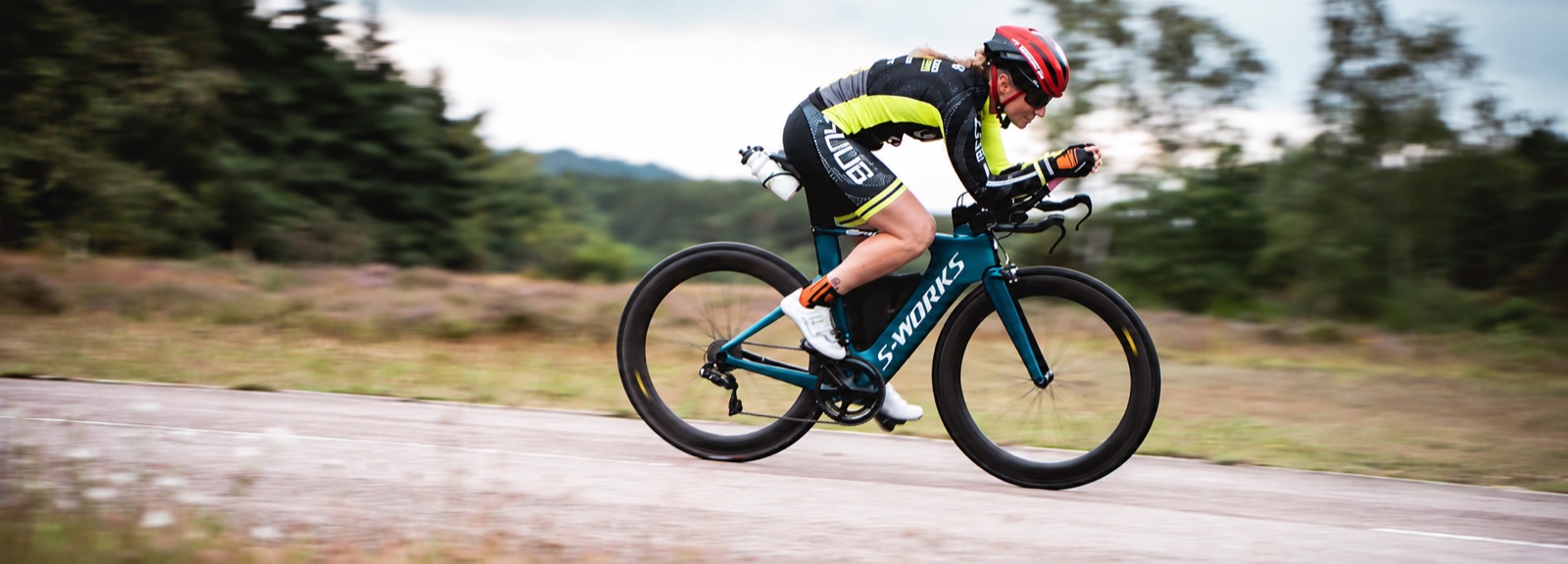
Training Knowledge · Article · Featured
Reverse Periodisation
Fast before far, strong before long: building your engine before adding event-specific endurance, with the TriDot podcast on the power-stamina paradox.
Read article ↗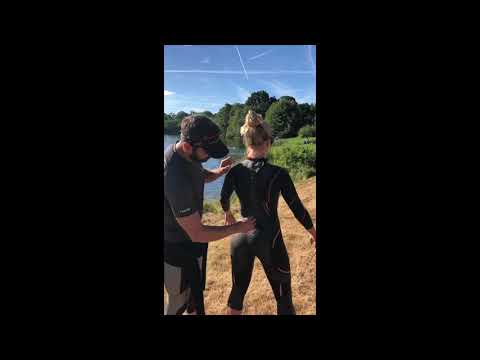
Swim · Video · Featured
Wetsuit Fitting
A video tutorial on fitting your wetsuit.
Watch tutorial ↗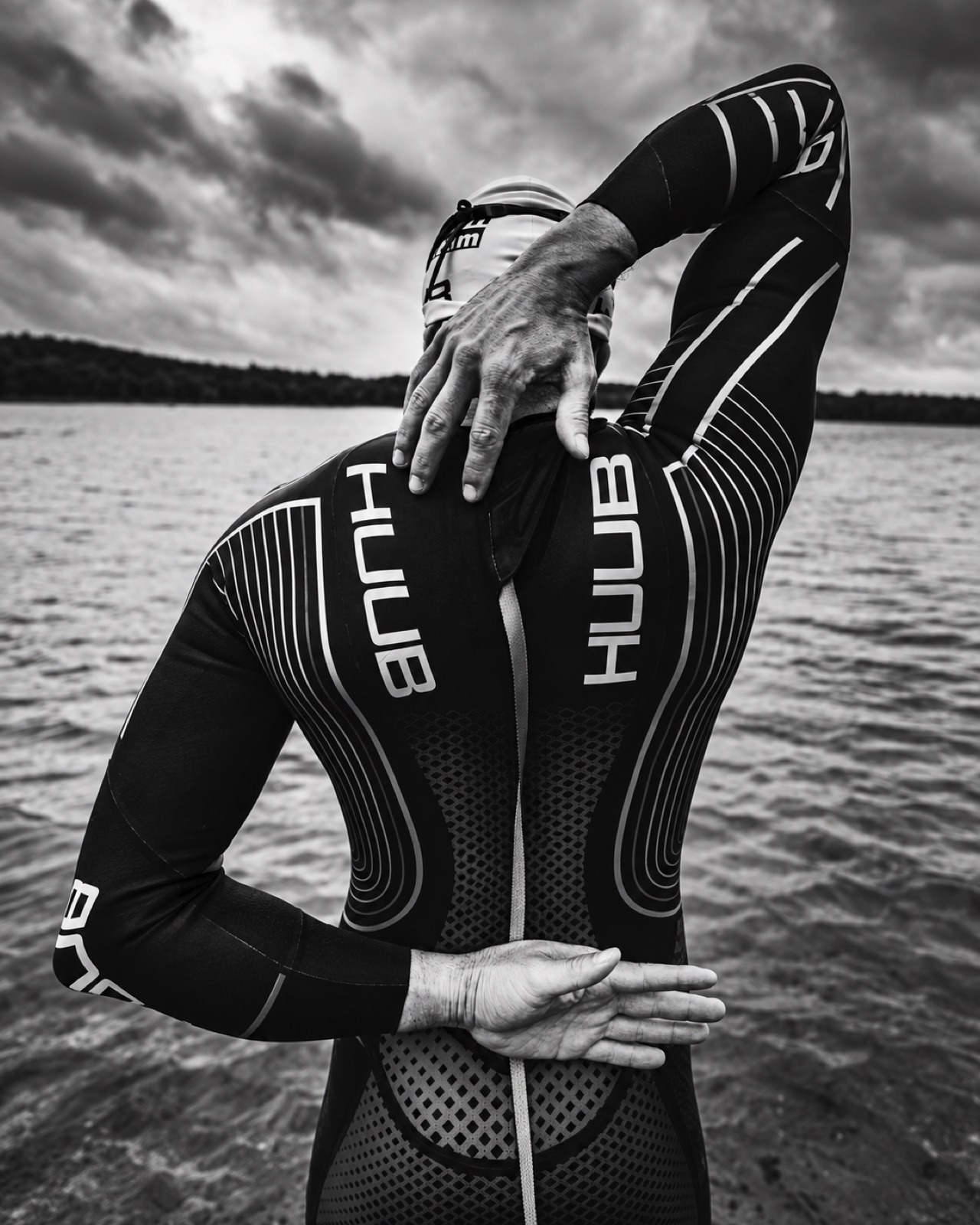
Training Knowledge · Article · Featured
What does your TrainX score tell you?
Use execution feedback to understand your sessions without turning every workout into a points chase.
Read article ↗
Training Knowledge · Article · Featured
Why do training platforms give different stress scores?
Understand what NTS and TSS are trying to describe, and why comparing their numbers directly can mislead you.
Read article ↗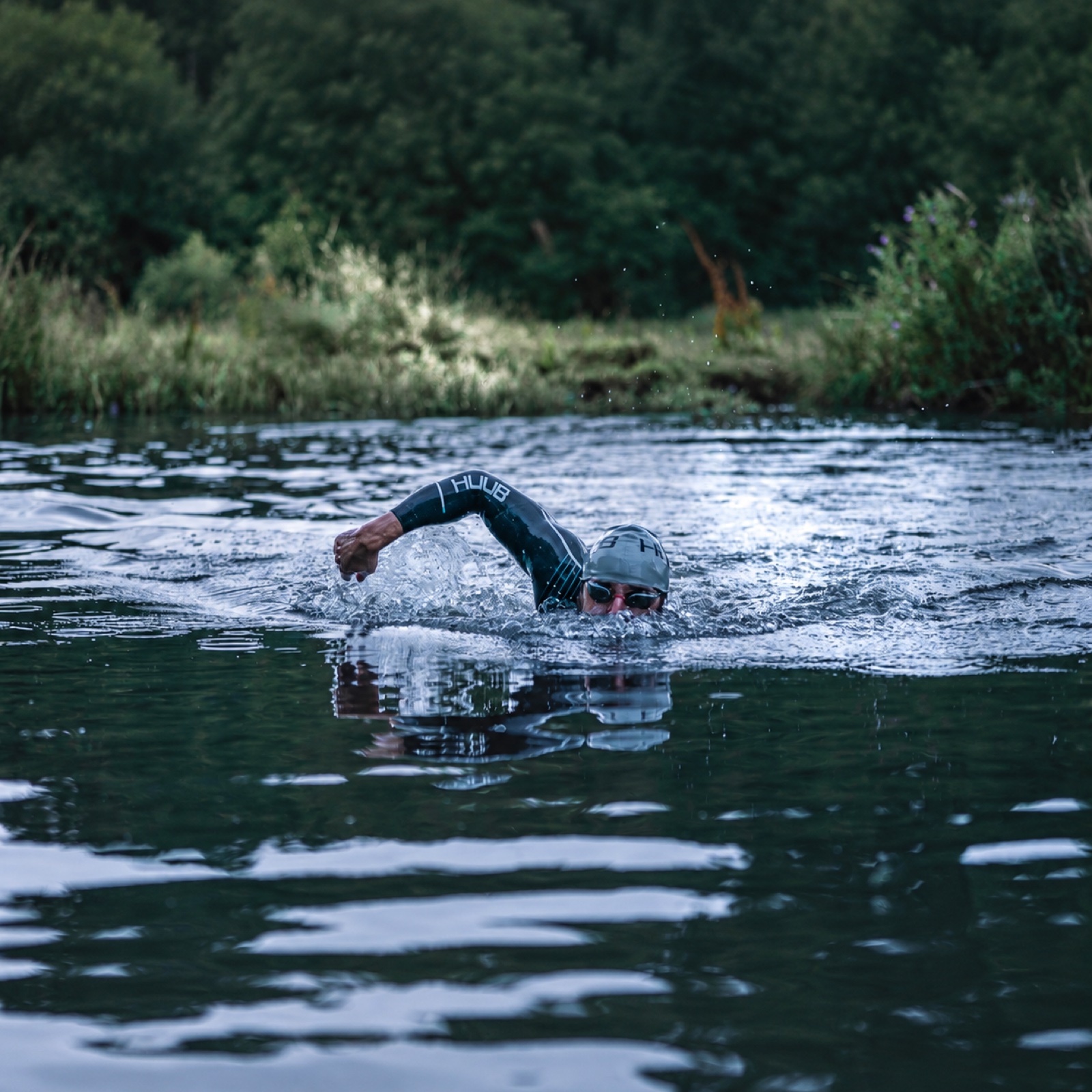
Training Knowledge · Article · Featured
Why does consistency matter more than a hero session?
Build a training routine you can repeat, without being distracted by somebody else's standout workout.
Read article ↗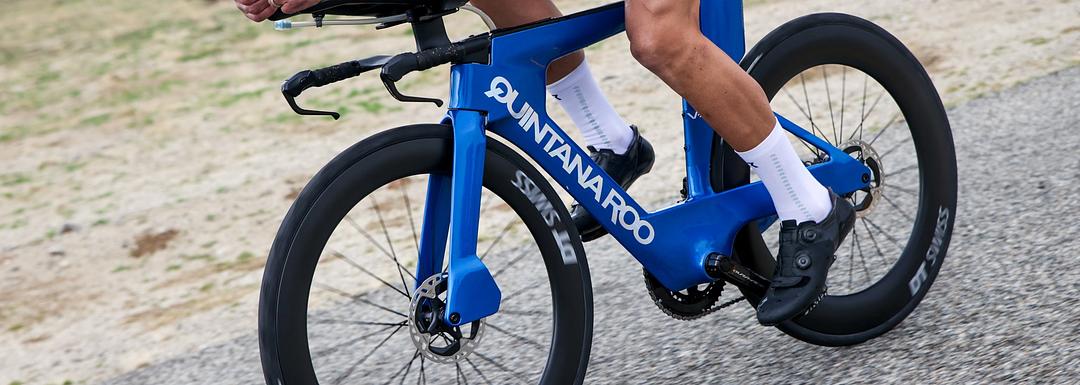
Bike · Article
Are Tubeless Tires Worth It?
Quintana Roo’s guide to tubeless tyres: puncture protection, performance, installation, maintenance and alternatives.
Read article ↗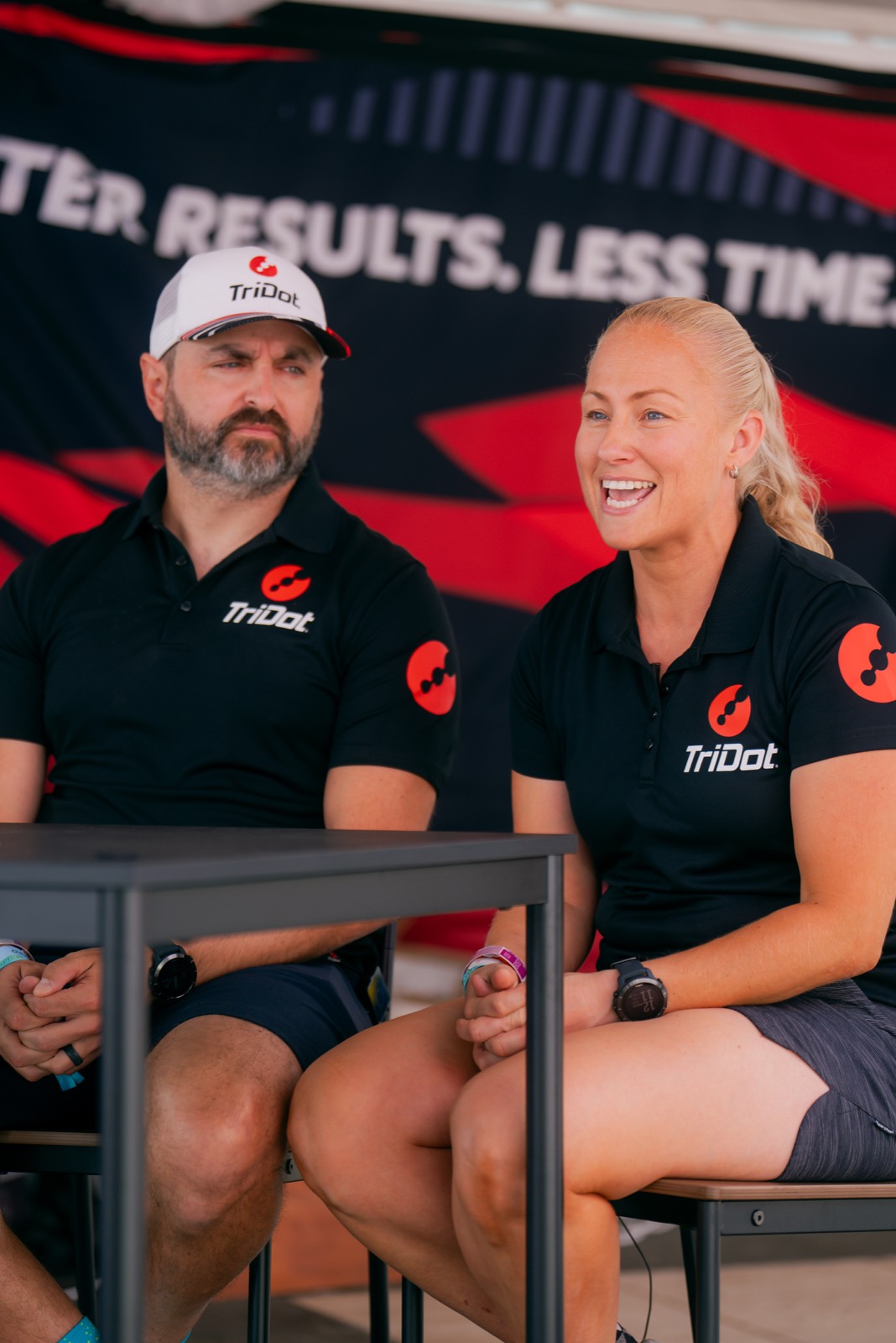
Training Knowledge · Article
Building a Community of Collaborative Coaches: Our IRONMAN U Journey
Raya Usher reflects on helping shape IRONMAN U and the value of collaboration, coach education and shared knowledge.
Read article ↗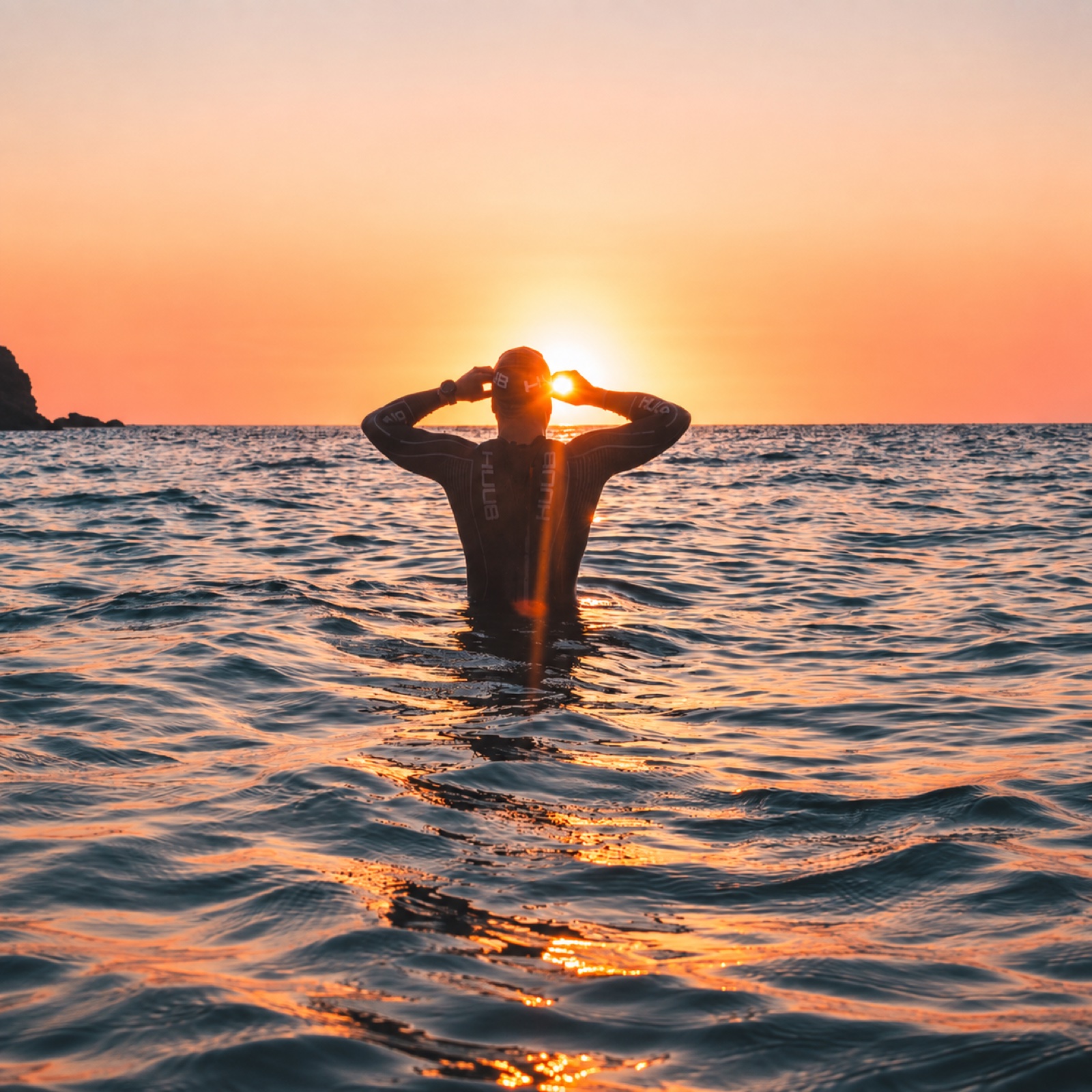
Bike · Article
Can a social ride fit into your training plan?
Make room for enjoyable riding while recognising what an unplanned session adds to the rest of your week.
Read article ↗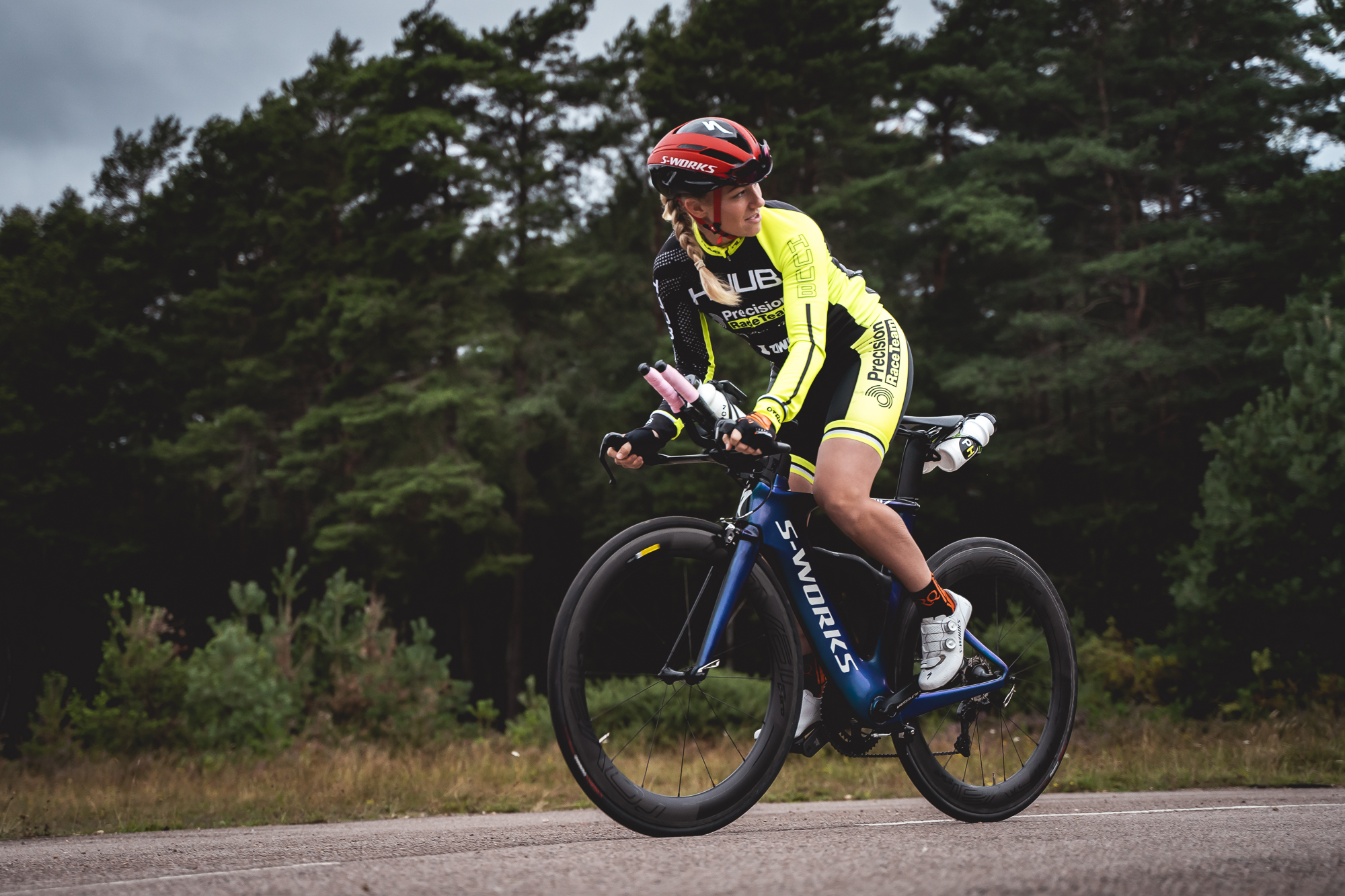
Athlete Assets · Article
FitLogic: the technology behind your coaching
Understand the intelligence behind TriDot and RunDot, and how your coach puts it into practice.
Read article ↗
Bike · Article
Get Aero. It Matters. Top 4 Aero Upgrades
Wheels, helmets, clothing and tri bars: exploring aerodynamic upgrades and when to consider a dedicated time-trial bike.
Read article ↗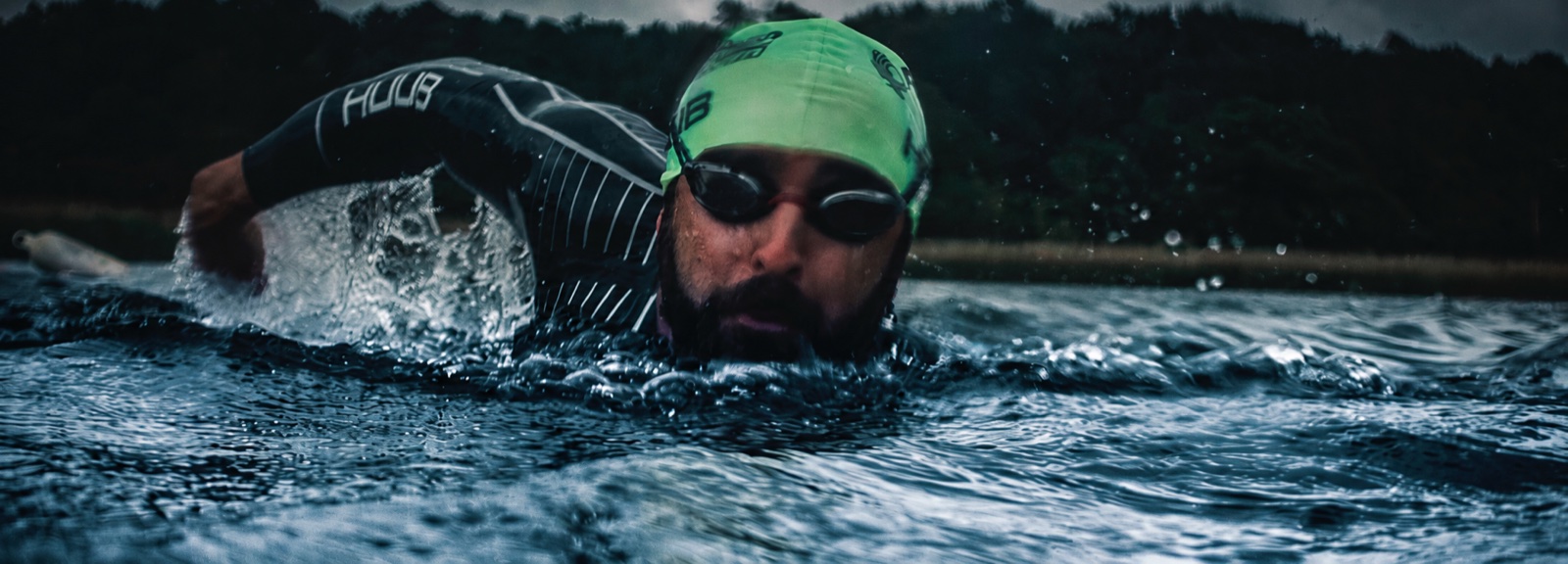
Swim · Article
Goggles — Which Ones?
Finding the right goggles for you: fit, light conditions, open-water swimming and the different styles available.
Read article ↗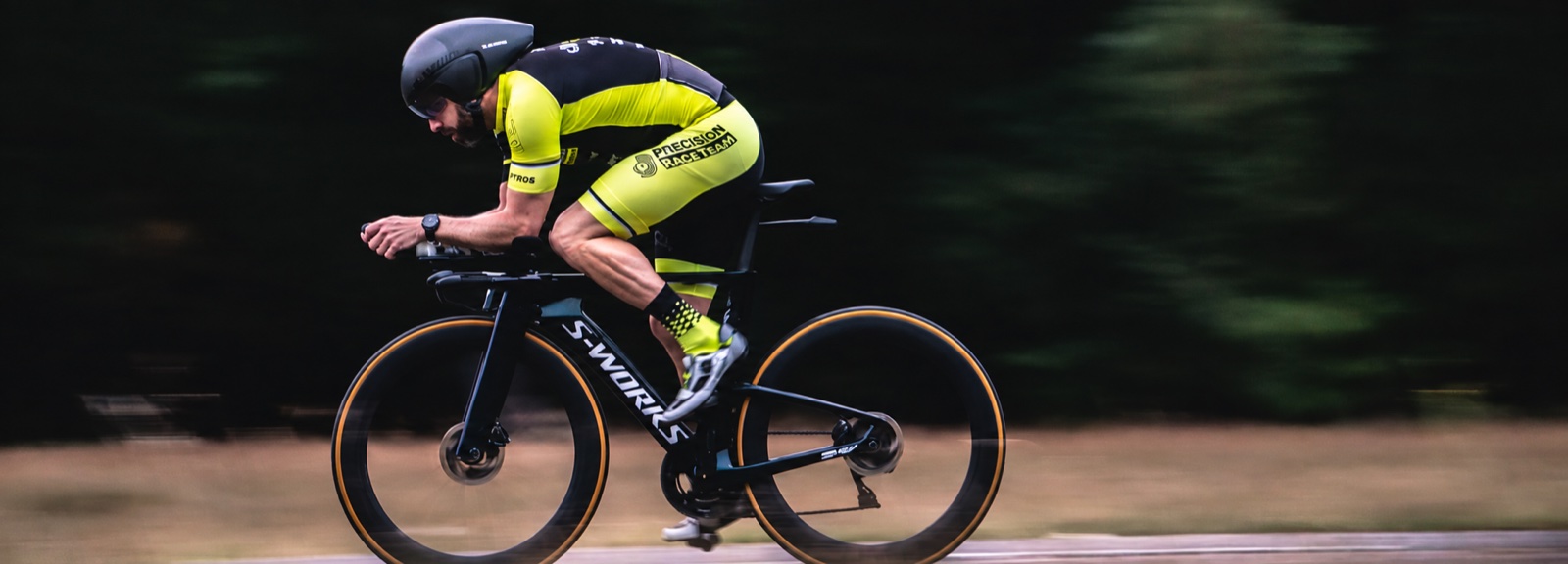
Bike · Article
Helmets: TT vs Aero vs Road
Comparing road, aero road and time-trial helmets: comfort, cooling, position, price and speed.
Read article ↗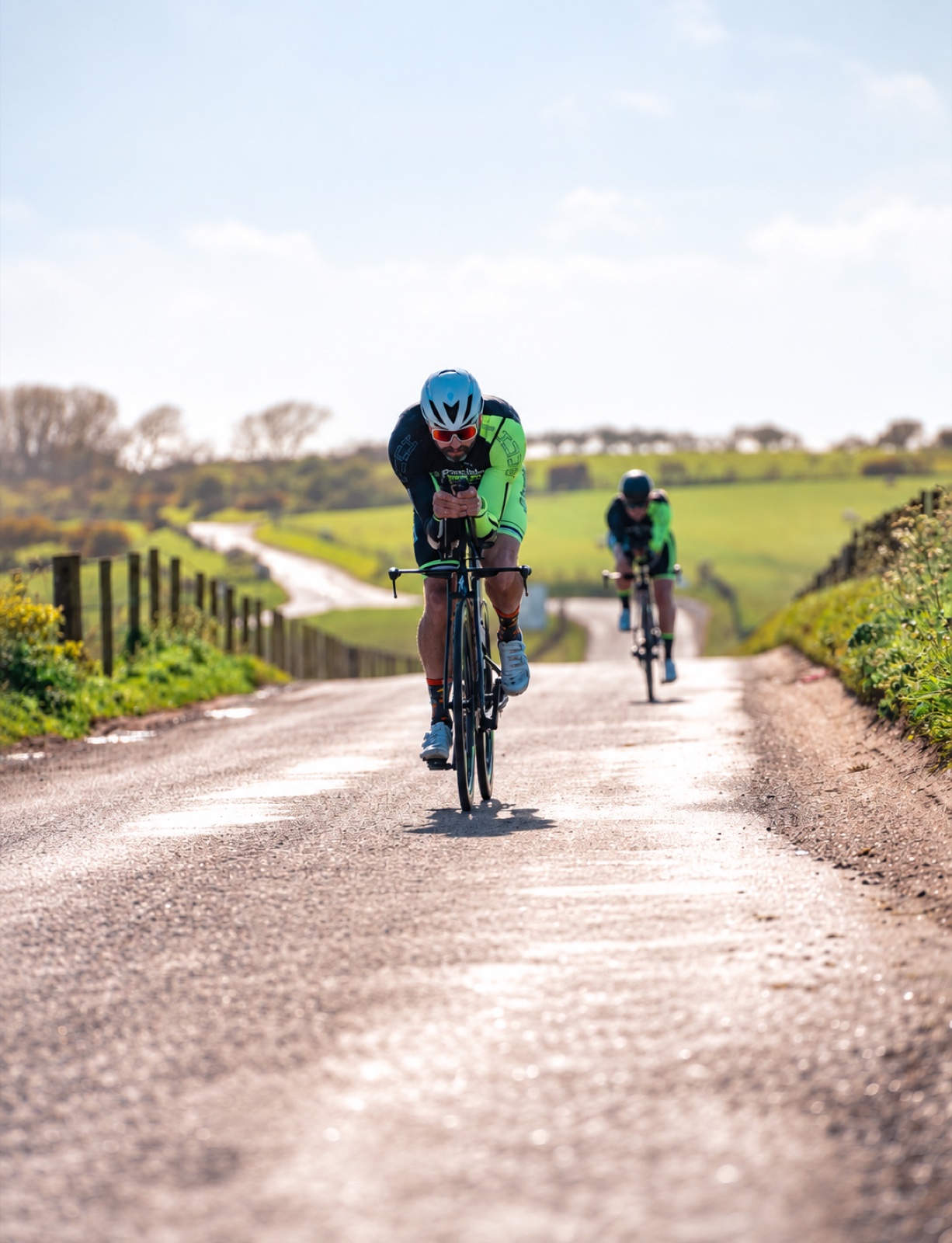
Training Knowledge · Article
How is adaptive training different from a static plan?
Understand what should change when your training or circumstances change, and what information the system needs from you.
Read article ↗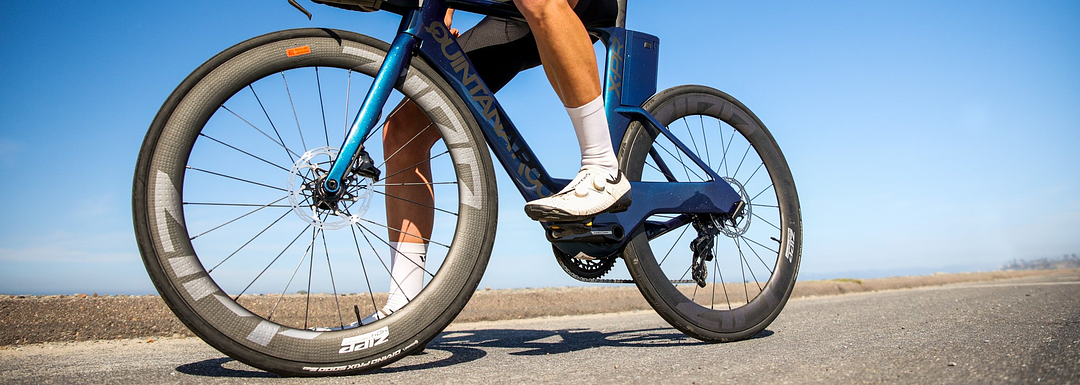
Bike · Article
How To Choose the Right Tire Pressure
Find a starting tyre pressure and learn how to adjust it for your wheels, tyres, weight and riding conditions.
Read article ↗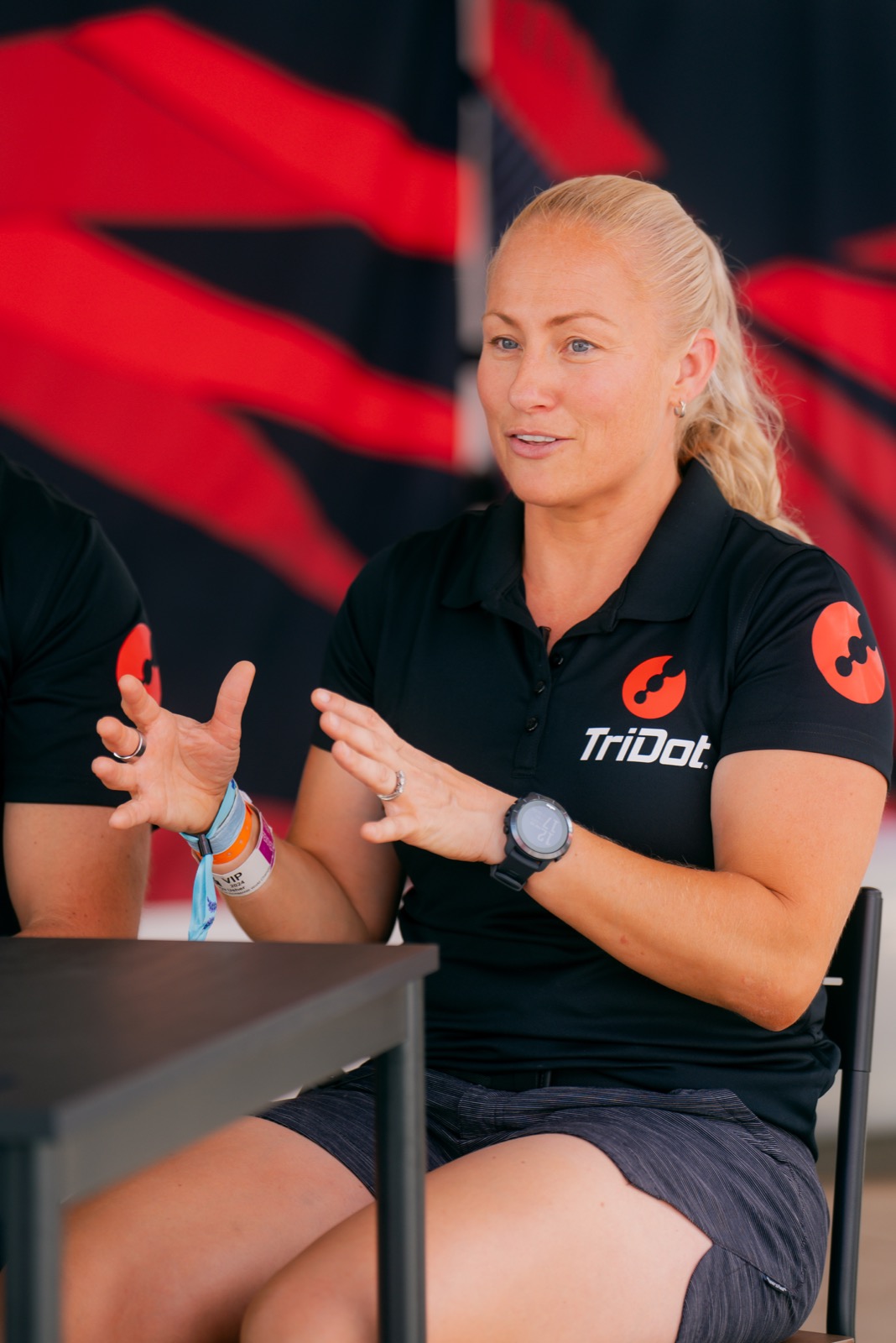
Training Knowledge · Article
Neurodiversity in Triathlon: How ADHD Made Me a Better Coach
Raya Usher shares her personal experience of ADHD and how neurodiversity shapes her coaching, training and sense of community.
Read article ↗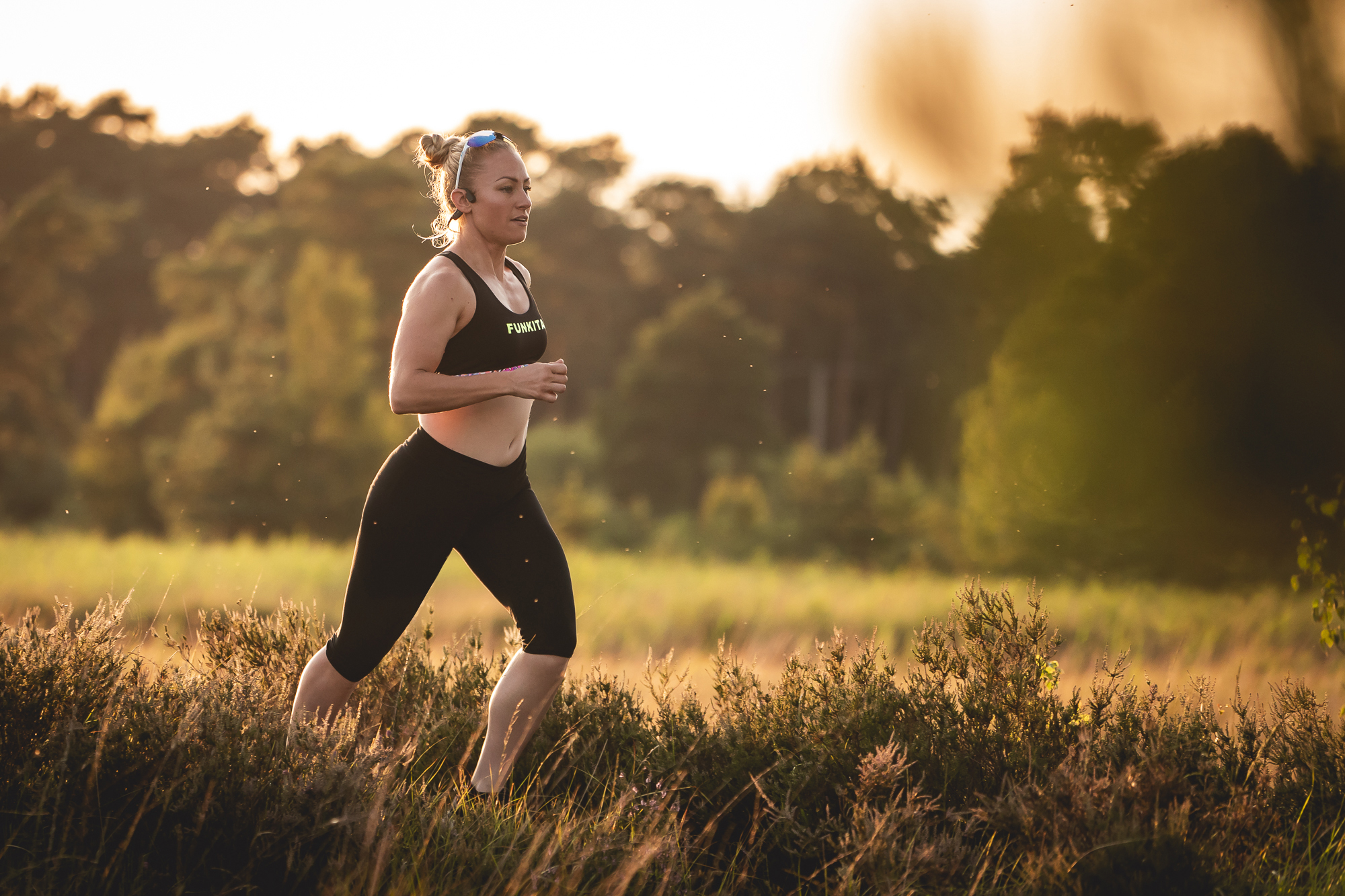
Athlete Assets · Article
New beginner’s triathlon checklist
A practical equipment list, organised into essential, desirable and optional kit for your triathlon journey.
Read article ↗
Training Knowledge · Article
Pace? HR? Power? Which One to Use?
Understanding heart rate, pace and power — and how to identify the primary metric for your TriDot or RunDot workout.
Read article ↗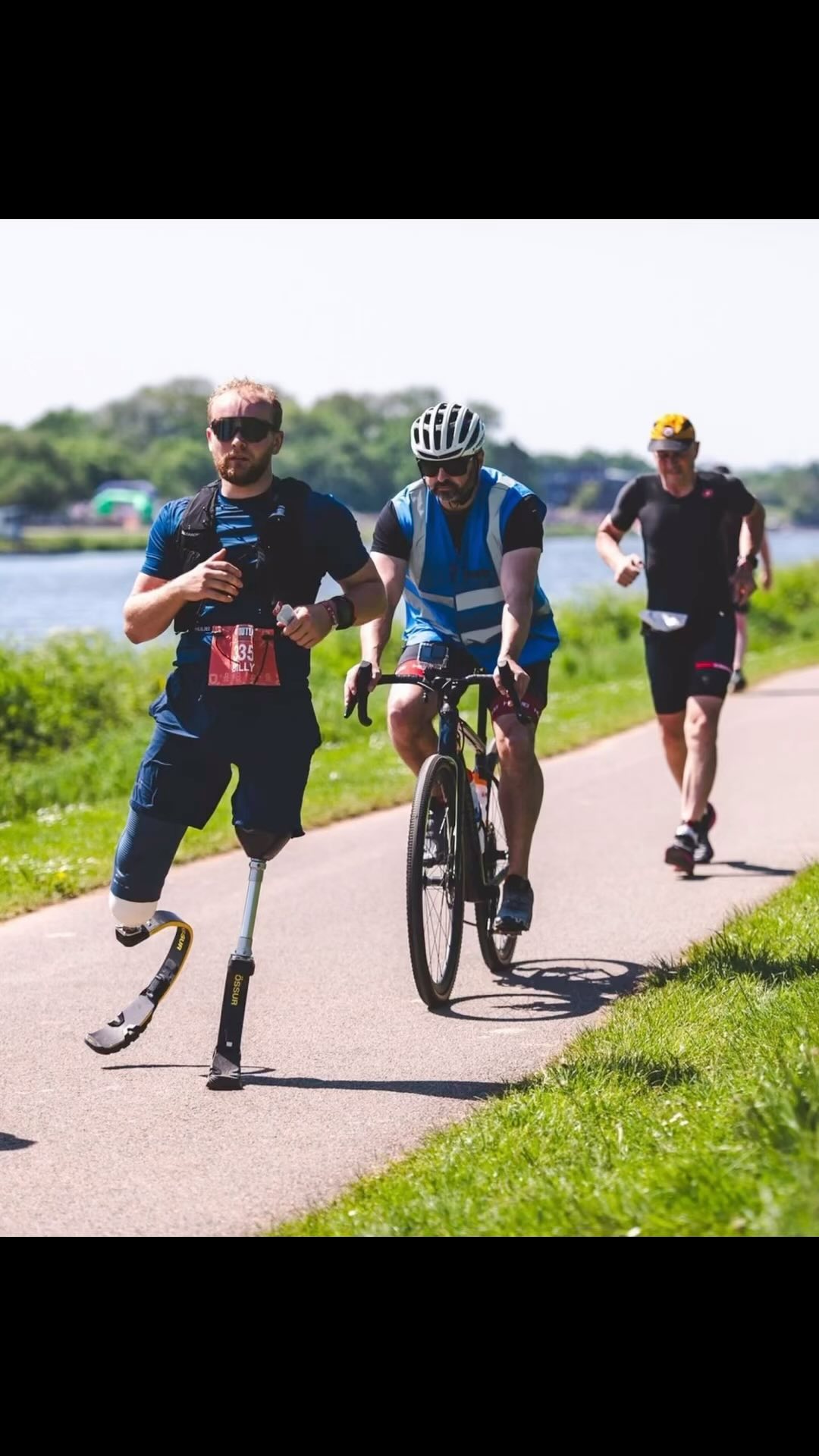
Training Knowledge · Article
ParaTri: building training around the athlete
A coaching perspective inspired by Billy Monger's preparation: purposeful sessions, practical planning and individual support.
Read article ↗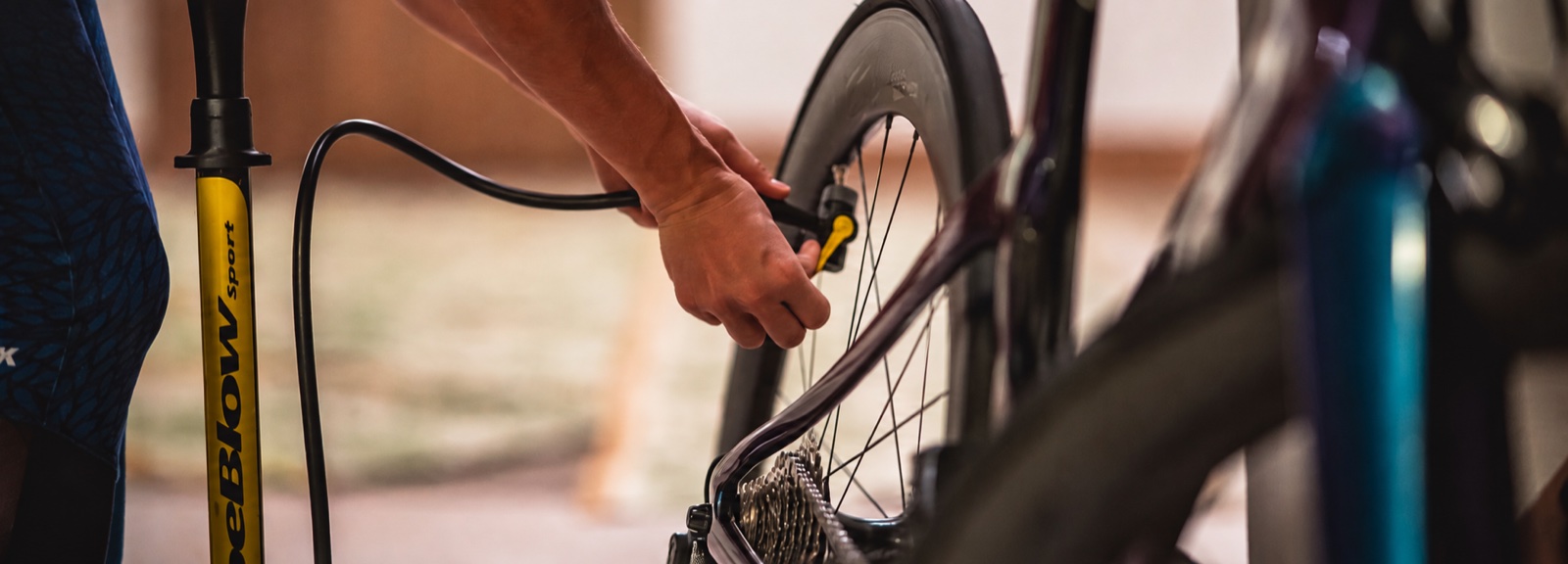
Bike · Article
Puncture Repair (Clinchers/Tubes)
A practical puncture repair video for clincher tyres, plus an introduction to butyl, latex and TPU inner tubes.
Read article ↗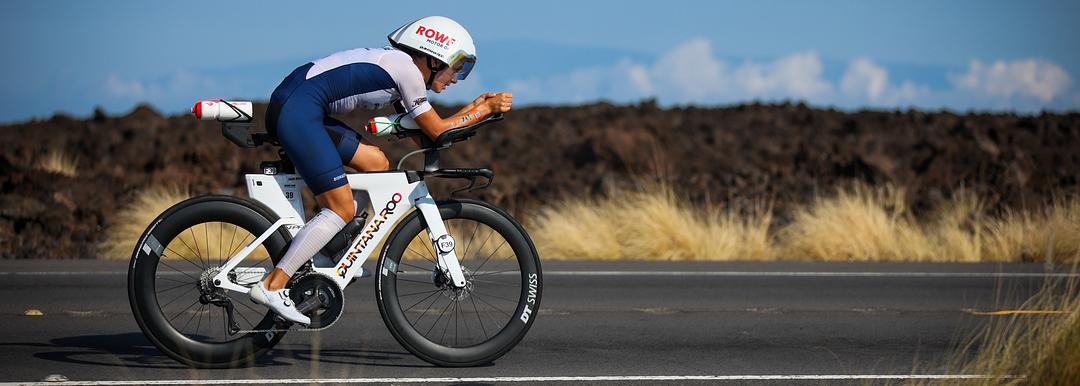
Bike · Article
Shimano Ultegra vs. Dura-Ace at IRONMAN World Championships
What World Championship performances reveal about Shimano groupsets, plus the differences between 105, Ultegra and Dura-Ace.
Read article ↗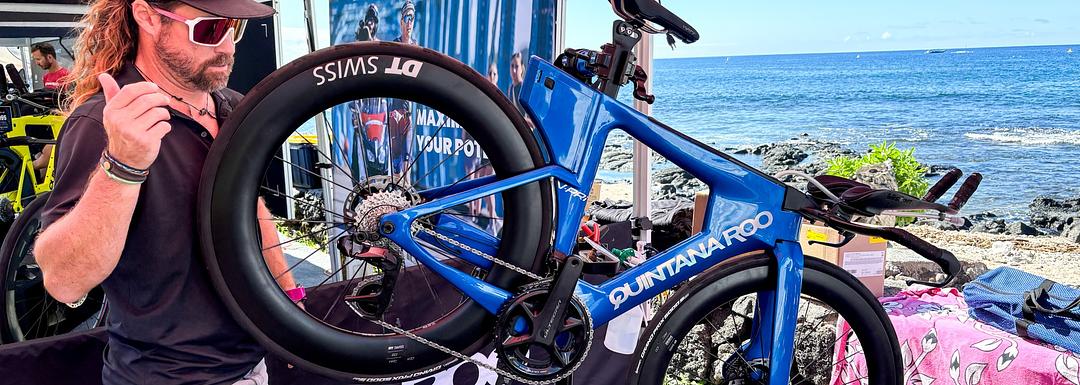
Bike · Article
The 4 Most Common Bike Mechanicals and How to Avoid Them
Practical ways to prevent punctures, poor shifting, rubbing brakes and loose bolts before race day.
Read article ↗
Training Knowledge · Article
The Real Deal on AI Training Platforms
Raya Usher explores the distinct roles of AI training platforms and human coaches, and how they can work together.
Read article ↗
Athlete Assets · Article
Triathlon travel & race day checklist
Organise swim, bike, run, clothing, nutrition, technology and travel essentials before you leave home.
Read article ↗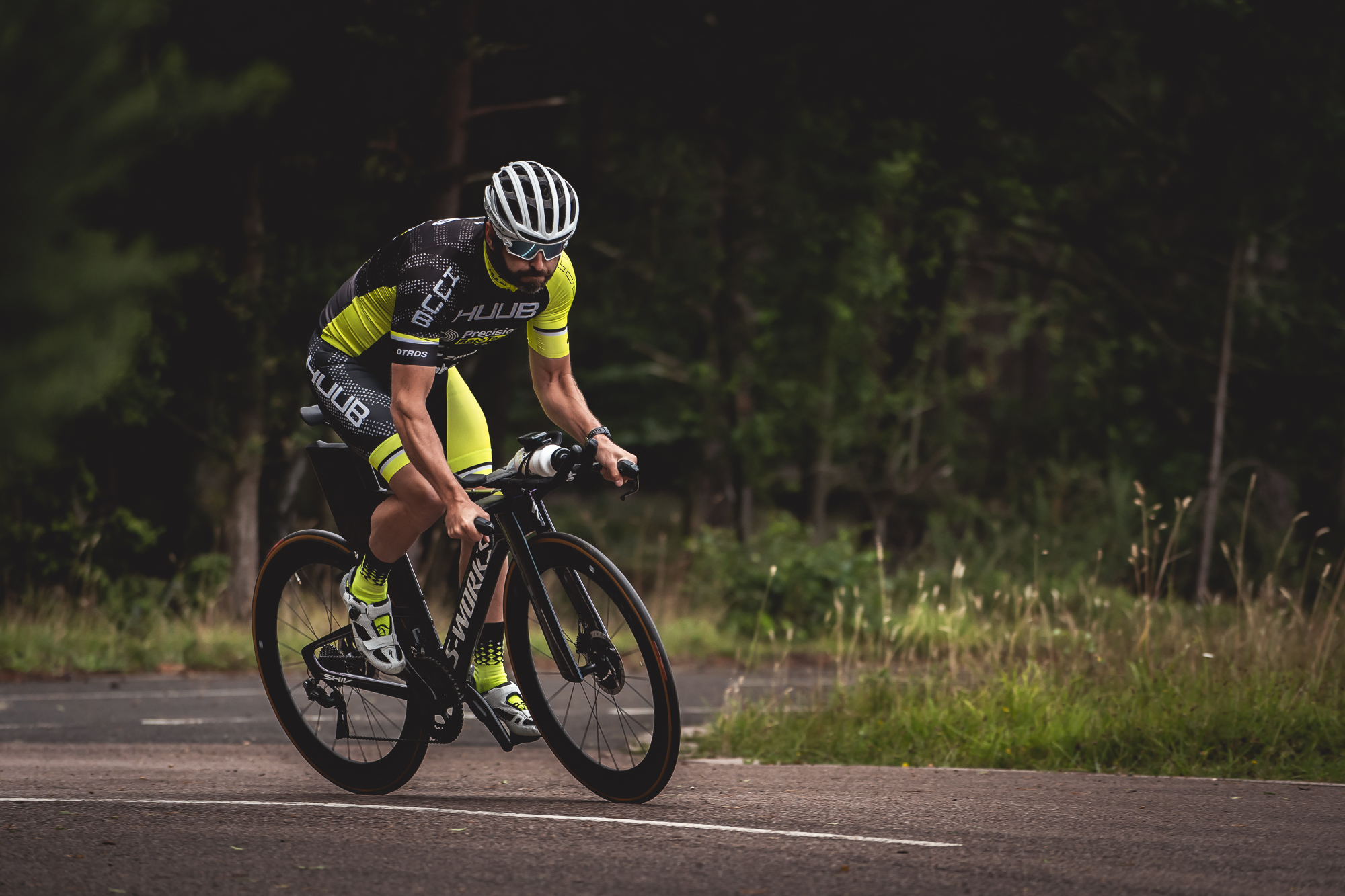
Athlete Assets · Article
TSS vs NTS: understanding training stress
Explore the differences between training-load models and use their scores in conversation with your coach.
Read article ↗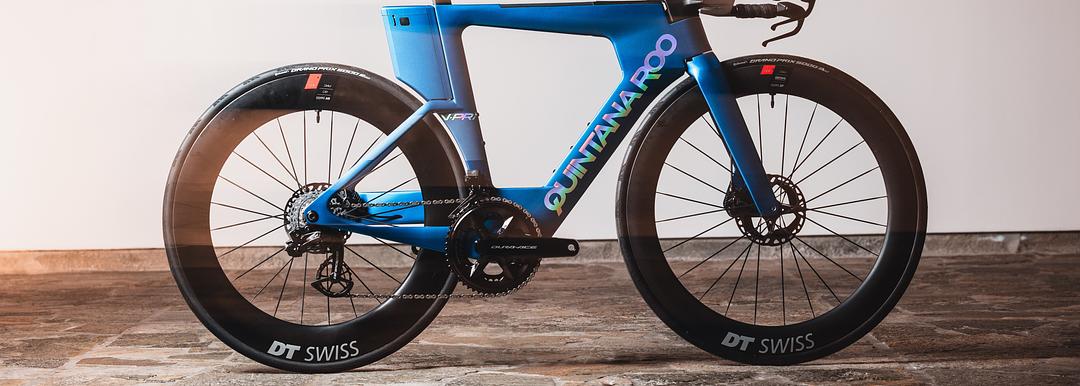
Bike · Article
Your Carbon Aero Wheel Upgrade Guide
Compare aero wheel depth, width, weight and rim types, with Quintana Roo’s guide to popular wheel upgrades.
Read article ↗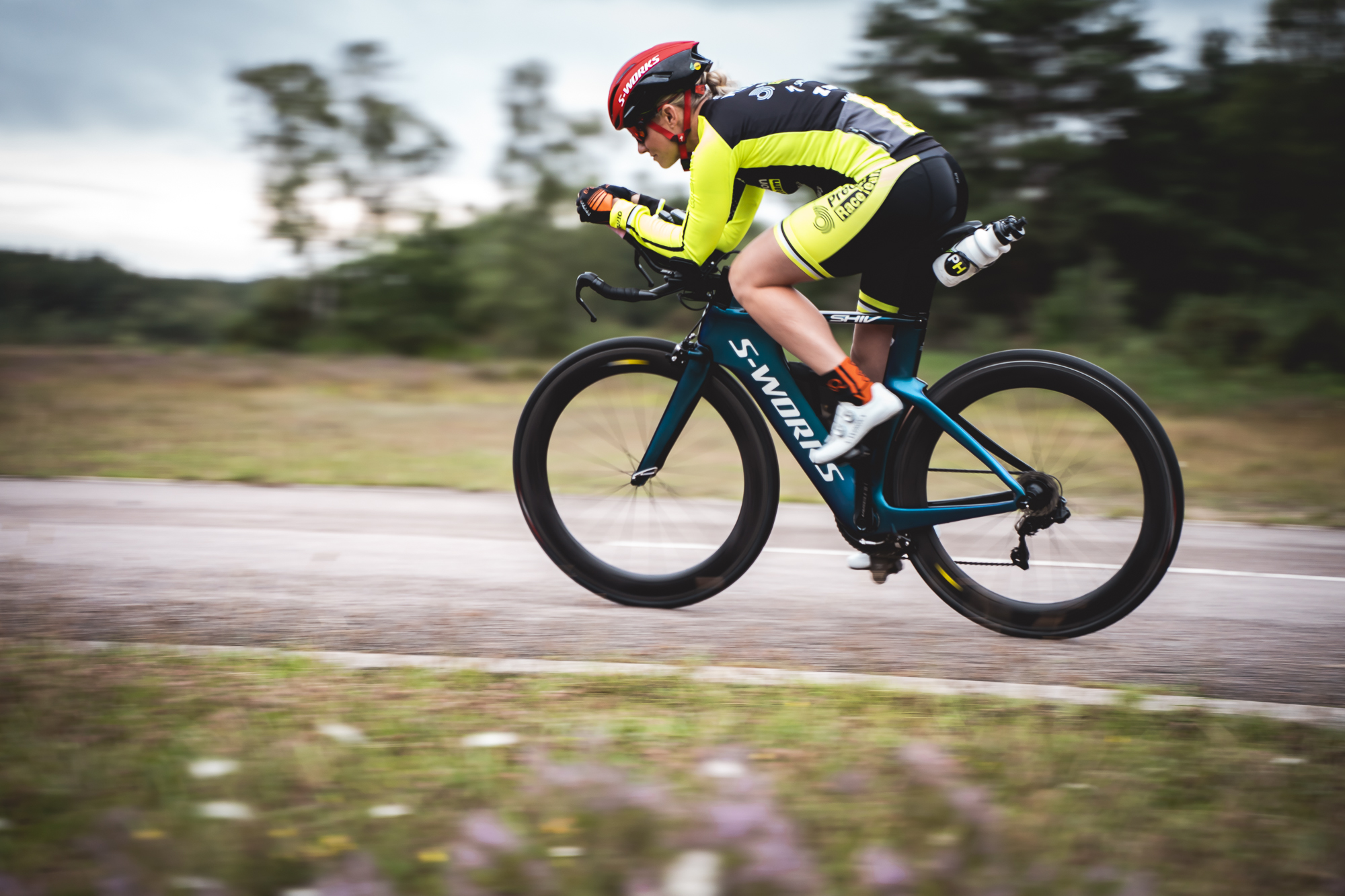
Athlete Assets · Article
Your personalised race execution plan
Work through goals, pacing, nutrition, transitions and logistics, then build a one-page race summary with your coach.
Read article ↗THE TRAINING NOTEBOOK
A clearer next session.
From your first start line to your next personal best. Choose a topic and explore the questions below.
For advice about your own training, speak to your coach. For questions about working with us, visit our FAQs.
Triathlon
01What are the main triathlon distances?+
A sprint usually combines a 750m swim, 20km bike and 5km run. Standard distance is 1.5km, 40km and 10km. Race formats vary, so check the organiser’s distances before entering.
Further reading: World Triathlon ↗02Which distance should I choose for my first triathlon?+
Start with an event whose distances, swim setting and cut-offs fit your current ability and preparation time. A shorter event gives you the chance to learn how the three disciplines fit together without making distance the main challenge.
03How long does it take to prepare for a triathlon?+
There is no single timeline. Your starting fitness, swimming confidence, chosen distance and weekly availability all matter. Work backwards from the event with a realistic plan, allowing time to develop skills as well as endurance.
04Do I need an expensive bike or specialist kit?+
Start with a safe, suitable bike, a correctly fitting helmet, swimming essentials and comfortable running shoes. Check the event’s kit requirements. Consistent preparation and confidence with your equipment come before expensive upgrades.
05What is a brick session?+
A brick links two disciplines back to back, often cycling followed by running. It lets you practise the change between sports. Start with a manageable combination rather than making every brick a race simulation.
Further reading: World Triathlon ↗06How do transitions work?+
T1 is the change from swimming to cycling; T2 is cycling to running. Practise a simple kit routine and learn the event’s entry, exit, mount and dismount points. Read the race briefing for the rules that apply.
Further reading: World Triathlon ↗07How do I build confidence in open water?+
Use a supervised venue or a lifeguarded beach, go with someone and check local conditions. Enter slowly to acclimatise. Build confidence close to a safe exit before adding distance, and take a way to call for help.
Further reading: RNLI swimming safety ↗08How can I improve my swim technique?+
Ask a coach to identify a small number of priorities, then practise them consistently. Balance technique work with relaxed swimming so the skill transfers to your normal stroke. More effort is not always the answer to moving more effectively.
09How should I balance swimming, cycling and running?+
Look at your event, your current strengths and the time you can sustain each week. Keep all three disciplines in the picture, but give skills and weaker areas purposeful attention. Recovery needs to fit into the same schedule.
10What is a taper before a race?+
A taper reduces training before an important event so you can arrive fresher. Its length and size depend on the race and your training. Avoid using the final days to catch up on missed sessions.
Further reading: World Triathlon ↗Running
11How do I start running if I am a complete beginner?+
Begin with short, comfortable sessions that mix running and walking. Repeat a manageable routine before increasing it. Let your response guide the next step rather than trying to match another runner’s pace or distance.
Further reading: England Athletics ↗12How many times a week should I run?+
Choose a frequency you can recover from and maintain alongside work, family and other training. More runs are not automatically better. Build a repeatable routine first, then review whether adding another session supports your goal.
13How slow should an easy run be?+
Easy running should feel relaxed enough for a full conversation. Pace will change with hills, heat and fatigue. Use effort alongside your watch so an easy day does not quietly become another demanding session.
Further reading: England Athletics: training pace ↗14How can I improve my 5km or 10km time?+
Build consistency, keep easy days comfortable and introduce harder work in manageable amounts. Intervals can help you practise faster running, but they need recovery around them. Choose a realistic progression from your current fitness.
Further reading: England Athletics running FAQs ↗15What is the difference between tempo and interval training?+
A tempo or threshold effort is sustained, controlled work at a challenging intensity. Intervals divide harder running into repetitions separated by recovery. Both have a purpose; neither should turn every training day into a test.
Further reading: England Athletics: training pace ↗16How should I increase my running distance?+
Progress from the running you can already manage comfortably. Add distance gradually and reassess how you recover before adding more. A fixed percentage is not a guarantee of safety; your training history and response matter.
Further reading: England Athletics ↗17Should runners include strength training?+
Strength work can complement running and help you develop the capacity to handle training. Choose exercises and loads appropriate to your experience, learn the movements well and fit them around your key running sessions.
Further reading: England Athletics running FAQs ↗18How do I return to running after a break?+
Restart below your previous training load, even if you remember feeling much fitter. Run–walk sessions can be useful. Rebuild easy running before speed and allow more recovery as you find a sustainable routine.
Further reading: England Athletics ↗Fuel & recovery
19What should I eat and drink during longer training sessions?+
Longer sessions often benefit from carbohydrate and fluid intake. Your needs depend on duration, intensity, conditions and tolerance. Practise your approach in training, build it gradually and use a personalised plan for demanding events.
Further reading: Precision Fuel & Hydration ↗20How much rest do I need between sessions?+
Recovery is part of training. Place easier days around demanding sessions and pay attention to sleep, energy and persistent soreness. If fatigue keeps building, reduce the load and review the plan rather than pushing through by default.
Further reading: England Athletics ↗YOUR NEXT STEP
Start with a conversation.
Tell us your goal and we’ll help you find the right support. The initial consultation is free.